

 By
By Introduction
If you have ever asked what is viscose while checking a dress, blouse, scarf, or pajama label, you are not alone. Viscose looks soft and premium, but it can also shrink, wrinkle, or lose shape when handled badly.
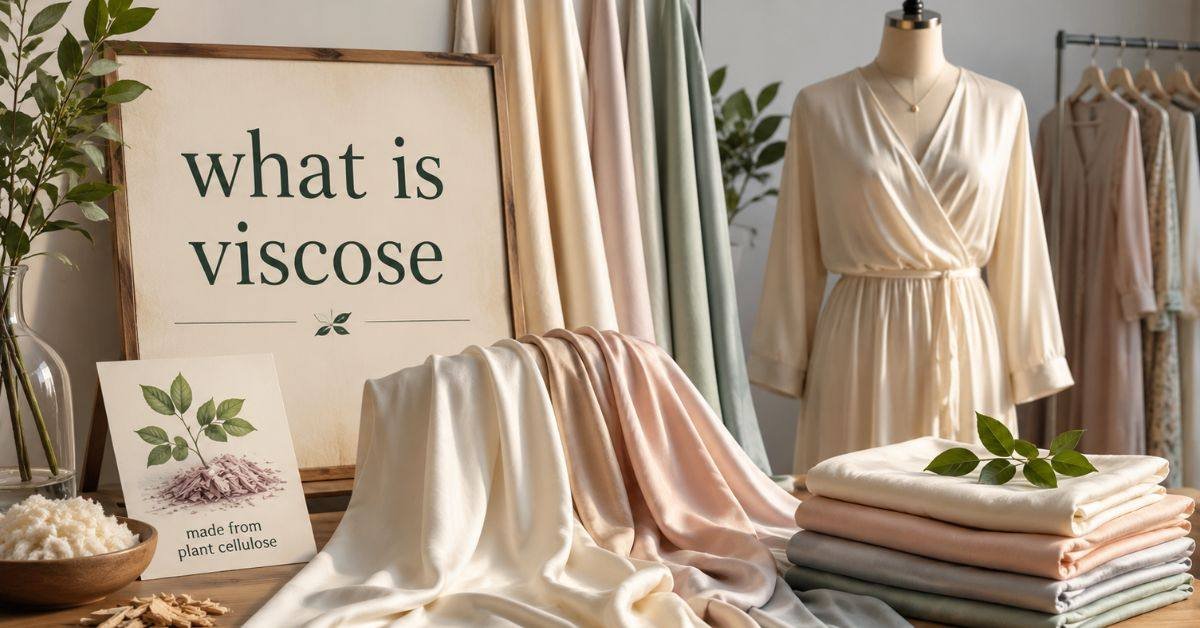
The short answer: viscose is a semi-synthetic fabric made from plant cellulose, usually wood pulp, that is processed with chemicals into smooth fibers. It often feels silky, hangs beautifully, and costs less than silk, which explains why brands use it in flowy clothing.
But the real value comes from knowing when viscose is a smart choice, when it is not, and how to care for it. This guide explains what is viscose, how it is made, how it compares with cotton, silk, and polyester, and what to check before buying.
What is viscose made from, and why is it semi-synthetic?
Viscose starts with cellulose, the structural material found in plants. In most cases, that cellulose comes from wood pulp, although bamboo, cotton linters, and other plant sources can also be used.
It is called semi-synthetic because the raw material is plant-based, but the fiber does not come straight from the plant like cotton or linen. Manufacturers dissolve and regenerate the cellulose through a chemical process before spinning it into usable fiber.
A simplified production process looks like this:
- Wood or another plant source is processed into pulp.
- The cellulose is treated with chemicals to create a thick liquid solution.
- That solution is pushed through tiny holes called spinnerets.
- The liquid hardens into filaments.
- The filaments are spun, woven, or knitted into fabric.
The phrase “rayon” can confuse shoppers. In many clothing labels, viscose and rayon are used closely together because viscose is a common type of regenerated cellulosic fiber. The FTC also notes that fabric made from bamboo pulp through this process should be labeled as rayon or viscose made from bamboo, not simply “bamboo.”
How viscose feels, wears, and performs in real life
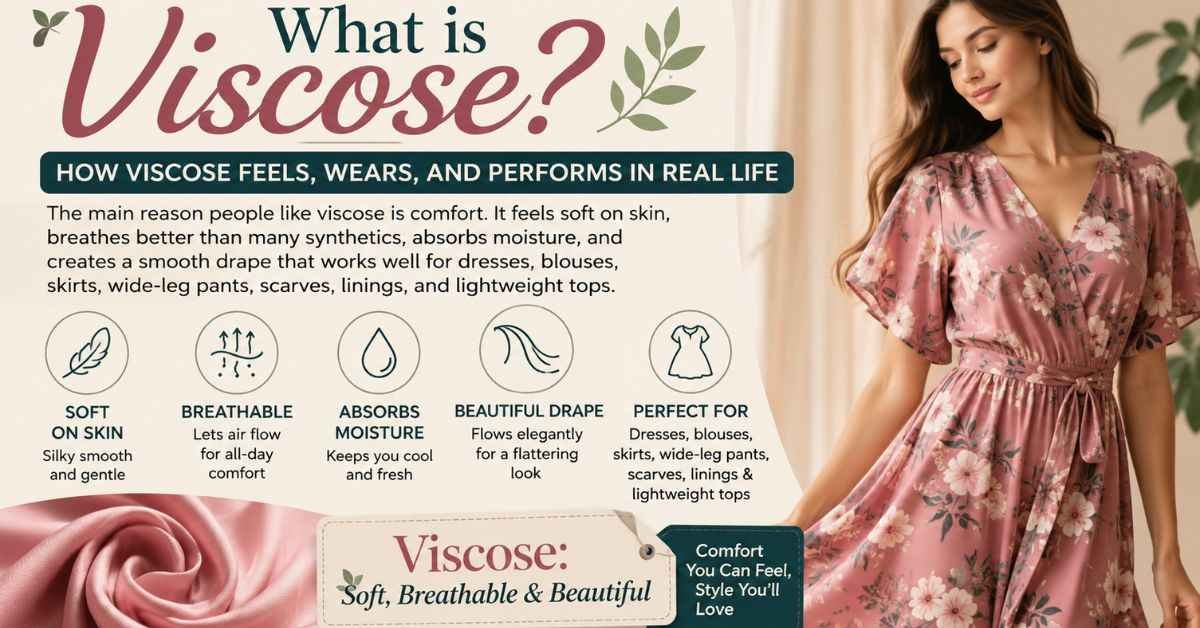
The main reason people like viscose is comfort. It absorbs moisture, feels soft against the skin, breathes better than many synthetics, and produces a smooth drape that is ideal for dresses, blouses, skirts, wide-leg pants, scarves, linings, and lightweight tops.
Here is a practical view of its everyday performance:
| Feature | What it means for you | Best use |
| Soft texture | Feels smooth and gentle on skin | Blouses, pajamas, scarves |
| Fluid drape | Hangs in a flowy, elegant way | Dresses, skirts, wide-leg pants |
| Breathability | Feels cooler than many polyester fabrics | Summer tops and loose clothing |
| Absorbency | Takes dye well and handles light moisture | Printed garments and bright colors |
| Lower wet strength | Can stretch, shrink, or lose shape when wet | Needs gentle washing and drying |
When shoppers ask what is viscose good for, the best answer is “soft, drapey garments that do not need heavy structure.” It is not the best choice for stiff jackets, rough workwear, or items you plan to wash on high heat every week.
It also blends well with other fibers. Viscose-cotton blends may feel softer than plain cotton. Viscose-polyester blends may wrinkle less than pure viscose. Viscose-spandex blends can add stretch for dresses or fitted tops.
What is viscose? Short answer for quick understanding
What is viscose? Viscose is a semi-synthetic fabric made from regenerated plant cellulose, usually wood pulp, that is chemically processed into soft, breathable fibers. It is popular because it gives clothing a silky feel, smooth drape, and comfortable wear at a lower price than silk.
Think of viscose as a “middle-ground” fabric. It is not fully natural like cotton, and it is not fully synthetic like polyester. It sits between them because it begins with plants but needs industrial processing to become fabric.
Here is a quick comparison:
| Fabric | Main source | Feel | Strengths | Watch out for |
| Viscose | Regenerated plant cellulose | Soft, smooth, silky | Breathable, drapes well, affordable | Shrinks, wrinkles, weaker when wet |
| Cotton | Cotton plant fiber | Soft, familiar, matte | Durable, washable, breathable | Can shrink, may feel less fluid |
| Polyester | Petroleum-based synthetic | Smooth or slightly slick | Durable, quick-drying, wrinkle-resistant | Less breathable, can hold odor |
| Silk | Silkworm fiber | Luxurious, light, glossy | Premium drape, natural sheen | Expensive, delicate care |
This is why what is viscose is not just a definition question. It is also a buying question. The fabric can feel expensive, but the care routine matters more than many shoppers expect.
Common Mistakes
The first mistake is treating viscose like cotton. Cotton usually handles regular machine washing better, while viscose often needs cooler water, gentler movement, and careful drying.
The second mistake is ignoring the care label. Some viscose garments are washable, but others are marked dry clean only because of the weave, dye, lining, or garment construction.
The third mistake is hanging wet viscose. Under its own weight, wet viscose can stretch. Lay delicate pieces flat on a towel, reshape them gently, and let them air dry away from strong heat.
The fourth mistake is believing every “plant-based” claim. Viscose begins with plants, but conventional production can involve chemical, water, forest, and labor concerns. Textile Exchange identifies wood sourcing, chemical use, emissions, and wastewater as important risks in manmade cellulosic fibers.
The fifth mistake is assuming bamboo viscose is the same as natural bamboo fiber. In the U.S., the FTC says chemically processed bamboo textiles should be marketed as rayon or viscose made from bamboo, unless they are made directly from bamboo fiber.
Pro Tips / Best Practices
Before buying, ask yourself: what is viscose doing in this garment? If the answer is “adding softness, drape, and movement,” it is probably a good match. If the garment needs structure, hard wear, or frequent hot washing, choose another fabric or a blend.
Use this quick checklist:
- Choose viscose for flowy dresses, relaxed shirts, scarves, and soft linings.
- Look for blends if you want easier care or more durability.
- Wash in cold water only if the care label allows it.
- Avoid high heat, tumble drying, rough wringing, and overloaded wash cycles.
- Steam or iron on low heat from the reverse side when needed.
- Store on padded hangers or folded flat, depending on the garment weight.
- For sustainability, look for traceable sourcing, FSC-linked claims, EU Ecolabel, OEKO-TEX testing, or better-managed cellulosic options such as lyocell when available.
In 2026, more shoppers are checking fabric origin and certifications because fiber production and sourcing claims are under closer review. Textile Exchange reported that global fiber production rose from 125 million tonnes in 2023 to 132 million tonnes in 2024, while Canopy’s 2025 Hot Button Report tracks progress in forest sourcing and next-generation cellulosic materials.
FAQs
What is viscose in simple words?
What is viscose in simple words? It is a soft fabric made from plant cellulose, usually wood pulp, that is processed into fibers with chemicals. It feels smooth, breathable, and drapey, which makes it popular for dresses, blouses, scarves, and comfortable warm-weather clothing.
Is viscose the same as rayon?
Viscose is a type of rayon, and many people use the terms together. Rayon is the broader family of regenerated cellulose fibers, while viscose usually refers to the common viscose-process version. Clothing labels may say viscose, rayon, or viscose rayon depending on the market and labeling rules.
Does viscose shrink when washed?
Indeed, improper washing, particularly in hot water or high heat drying, can cause viscose to shrink. Many viscose garments need cold water, gentle handling, and air drying. Always check the care label first because construction, dye, and blends can change the safest cleaning method.
Is viscose good for summer?
Yes, viscose is good for many summer clothes because it feels light, breathable, and smooth against the skin. It works best in loose dresses, tops, skirts, and trousers. In very humid weather, linen or cotton may feel more stable because wet viscose can cling or lose shape.
Is viscose better than cotton?
Viscose is better than cotton for silky drape and flow, but cotton is usually better for durability and easy washing. Choose viscose when you want softness and movement. Choose cotton when you need everyday strength, simple care, and a more natural fiber structure.
Is viscose fabric eco-friendly?
Viscose can be lower impact when made from responsibly sourced cellulose and cleaner production systems, but conventional viscose is not automatically eco-friendly. The main concerns include forest sourcing, chemical recovery, wastewater, and worker safety. Check labels, certifications, and brand transparency before trusting green claims.
What is viscose best used for?
What is viscose best used for? It is best for garments that need softness, breathability, and a fluid look, such as dresses, blouses, skirts, scarves, pajamas, and linings. It is less ideal for heavy-duty clothing, structured jackets, or items exposed to frequent heat washing.
Conclusion
Now you know what is viscose, why it feels so soft, and why clothing brands use it as a low-cost alternative to silk or a softer partner for cotton blends. It can be a smart choice when you want breathable comfort, elegant drape, and smooth movement in everyday clothing.
The key is to buy it with realistic expectations. Read the label, avoid harsh washing, question vague sustainability claims, and choose better-sourced or blended options when durability matters. When handled well, viscose can be beautiful, comfortable, and useful in a modern wardrobe.