
 By
By Introduction
Splitting the bill can turn a warm lunch into an awkward moment. People may wonder who ordered what, who should pay more, or whether accepting a meal means owing something later.
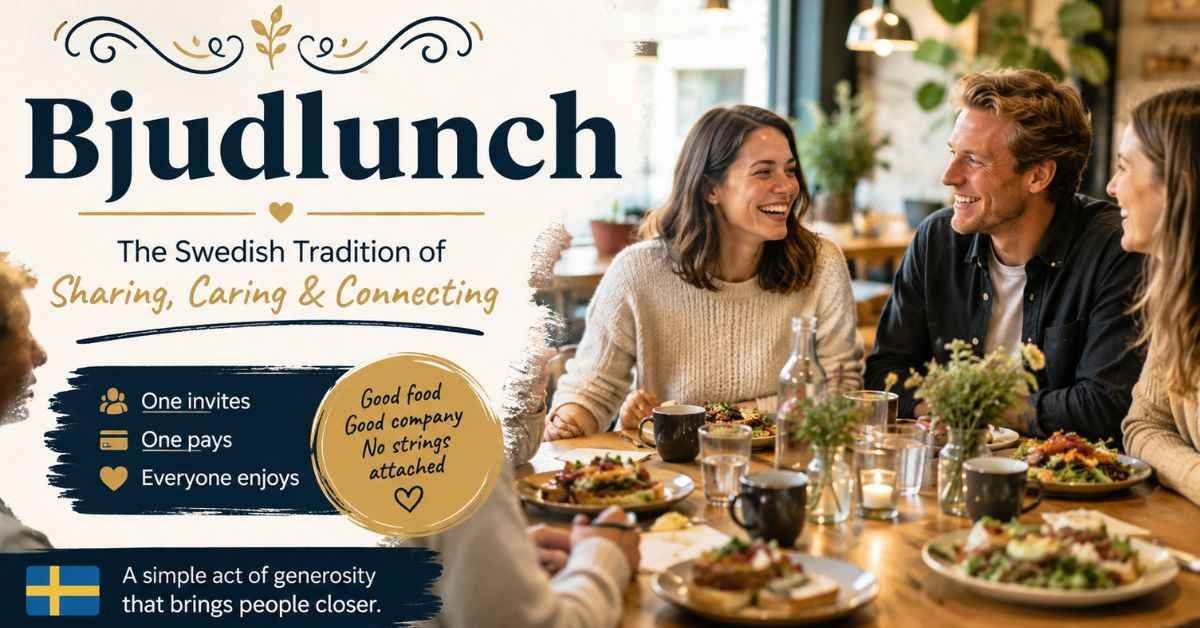
Bjudlunch offers a simpler answer. It is a Swedish-style lunch invitation where the host pays the full bill as a kind gesture. The goal is not to show off or buy favor. The goal is to create a relaxed space for food, conversation, and connection.
In a busy world where many meetings feel rushed or transactional, this tradition feels refreshingly human. It reminds us that a simple meal can build trust when it is offered with the right intention.
What Bjudlunch Means in Swedish Food Culture
Bjudlunch, in its most basic form, is simply inviting someone over for lunch and covering the cost. The word combines the idea of “bjuda,” which relates to inviting or treating someone, with lunch.
It is different from a casual meal where everyone expects to pay their own share. Here, the host makes the offer clear from the start. That small detail removes confusion at the end of the meal.
The tradition fits well with the Swedish idea of social balance. It is not about luxury. It is not about creating pressure. It is about giving someone time, food, and attention without turning the meal into a debt.
A good invited lunch may happen between:
- A long-overdue reunion between two pals
- A neighbor welcoming someone new
- A manager thanking a team member
- A colleague building trust outside a formal meeting
- A family member providing assistance during a challenging week
The meal itself can be simple. A café lunch, homemade soup, a salad, open-faced sandwiches, or a light restaurant meal can all work. It’s more about the spirit than the price.
This is where the Swedish idea of lagom connects naturally. Visit Sweden explains lagom as “just the right amount,” linked to harmony and avoiding excess. A thoughtful lunch does not need to be fancy. It only needs to feel comfortable and sincere.
How to Host an Invited Lunch Without Making It Awkward
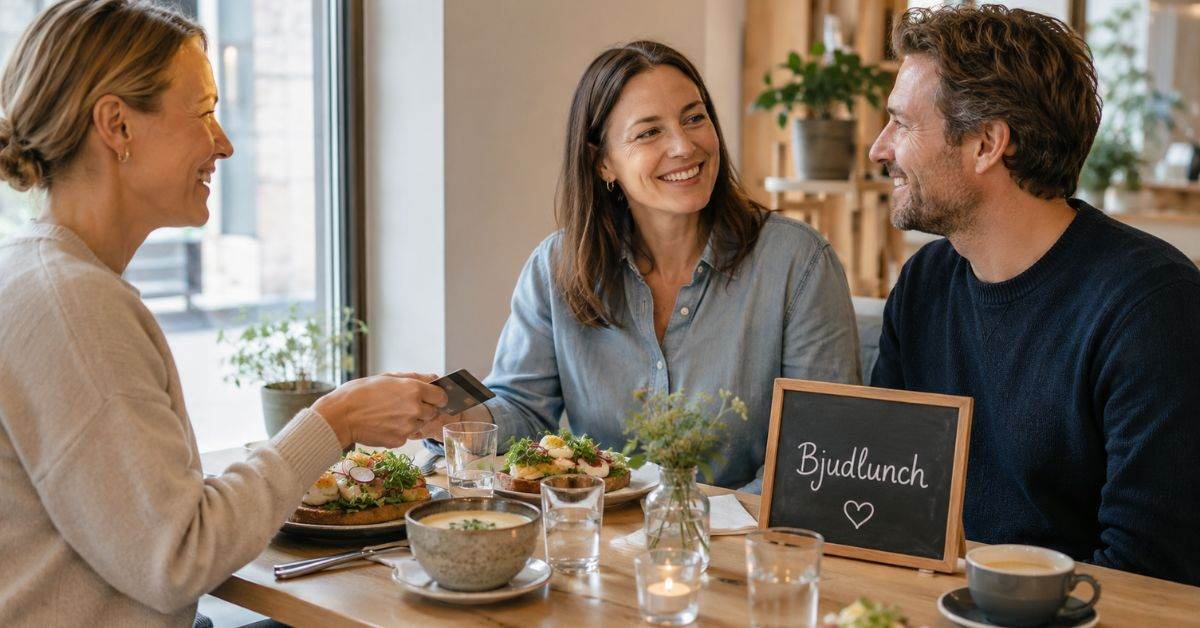
The best hosted Bjudlunch feels easy from the first message. The guest should know they are invited, welcomed, and not expected to pay.
A clear invitation matters because unclear wording creates stress. If you say, “Want to grab lunch?” The other individual might think you’re splitting the cost. If you mean to treat them, say it kindly and directly.
You can use simple lines like:
- “Would you like to meet up for lunch on Thursday? My treat.”
- “To say thanks, I’d like to take you to lunch.”
- “Let’s catch up over lunch. I’ll cover it this time.”
- “Welcome to the neighborhood. I’d love to invite you for lunch.”
Choose a place that matches the relationship. For a new coworker, a quiet café may feel better than an expensive restaurant. For a close friend, your home or a favorite local spot may feel warmer.
Before choosing the place, think about comfort:
| Hosting Choice | Best For | Why It Works |
| Casual café | Friends, coworkers, new contacts | Low pressure and easy conversation |
| Home lunch | Close friends, neighbors, family | Personal, warm, and budget-friendly |
| Office cafeteria | Team bonding | Simple and practical during work hours |
| Small restaurant | Client or mentor lunch | More polished but still relaxed |
Also ask about dietary needs early. A generous lunch should not put the guest in an uncomfortable position. “Any food allergies or preferences I should know about?” is an illustration of a quick question. is enough.
If you are hosting at work, keep the purpose human. Do not turn the whole lunch into a performance review. You can discuss ideas, but the guest should not feel trapped in a hidden meeting.
Bjudlunch vs Regular Lunch: What Makes It Different?
Bjudlunch is a planned lunch treat where the host pays the full bill without expecting immediate repayment. It differs from a normal lunch because the payment is clear from the start, and the focus stays on connection instead of cost. The guest receives the meal as a goodwill gesture, not as a loan or favor.
This direct definition helps avoid the biggest misunderstanding: the meal is not “free food” in a shallow sense. It’s a modest gesture of kindness.
Here is the simplest comparison:
| Meal Type | Who Pays? | Main Purpose | Social Feeling |
| Split-bill lunch | Each person pays their share | Eating together | Fair but sometimes awkward |
| Business lunch | One person or company may pay | Work goal or deal | Can feel strategic |
| Friendly treat | One person pays casually | Kindness or celebration | Warm and informal |
| Swedish invited lunch | Host pays clearly and freely | Connection and goodwill | Relaxed and thoughtful |
Shared meals also have real social value beyond tradition. The World Happiness Report notes that people who eat more meals with others report higher life evaluations and more positive feelings. Research on commensality, or eating together, also treats shared meals as important for social connection and order.
This does not mean one lunch will solve every relationship problem. But it can open a door. Food gives people a reason to sit down, slow down, and listen.
In 2026, that matters even more. Many friendships and work relationships now happen through short messages, video calls, and busy schedules. A calm lunch can feel more personal than another online chat.
Common Mistakes
A hosted Bjudlunch should feel generous, not uncomfortable. These common mistakes can weaken the whole experience.
- Choosing a place that is too expensive
A costly restaurant may make the guest feel nervous or guilty. Pick a place that feels easy to accept. - Making the guest guess who pays
Do not wait until the bill arrives to explain. Make it clear right away that you want to join. - Using the lunch to ask for a big favor
If the meal becomes a hidden request, it loses sincerity. Keep the goal focused on connection. - Ignoring dietary needs
A guest may have allergies, religious food limits, vegetarian needs, or health concerns. Ask politely before booking. - Overplanning the conversation
A few thoughtful questions are helpful. A full agenda can make the lunch feel like an interview. - Expecting instant payback
The spirit of the meal is free generosity. The guest may invite you later, but it should not feel required. - Posting everything online
Some people value privacy. Ask before taking photos or sharing the lunch publicly.
Pro Tips and Best Practices
A good invited lunch is simple, but a few small choices make it better.
Start with the guest’s comfort. Choose a place that is quiet enough for real conversation. Loud music, crowded tables, or rushed service can make the meal less meaningful.
Keep the menu flexible. A café with vegetarian, gluten-free, and lighter options works well for mixed groups. If you cook at home, offer one safe main dish and one simple side.
Handle the bill smoothly. If possible, pay at the counter or settle the bill quietly. This helps the guest avoid that awkward “Are you sure?” moment.
Use open, friendly questions:
- “How have things been for you lately?”
- “What are you excited about right now?”
- “What has been keeping you busy?”
- “Is there anything I can do to assist?”
For a workplace lunch, keep hierarchy low. “No plans today,” a boss can say. I just wanted to thank you and hear how things are going.” That one sentence can make the setting feel safer.
Guests also have a role. A same-day thank-you message is polite and enough. You do not need to repay the meal immediately. If you want to return the kindness later, do it naturally.
The Swedish coffee tradition fika gives a useful lesson here. Visit Sweden describes fika as a moment to pause, connect, and recharge, often more about company than coffee. The same rules apply at lunch: be there, keep things fair, and make the other person feel important.
FAQs
What does Bjudlunch mean?
It means a Swedish-style invited lunch where the host pays for the meal as a gesture of goodwill. The focus is on conversation, kindness, and connection. It should not create pressure for the guest to repay the host right away.
Is this Bjudlunch tradition only for Sweden?
No, the idea can work outside Sweden if you keep the intention respectful and clear. Many cultures already have meal-treating customs. The Swedish-style version stands out because it values modesty, clarity, and no immediate obligation.
Who should pay during this type of lunch?
The person who clearly gives the invitation should pay. That is why wording matters. If the host says “my treat” or “I’d like to invite you,” the guest can relax and enjoy the meal without worrying about the bill.
What should a guest do after being treated to Bjudlunch?
A guest should say thank you sincerely, either in person or through a short message later that day. There is no need to repay immediately. A future invitation is kind, but it should feel natural instead of forced.
Can you host this lunch on a small budget?
Yes, a low-cost lunch can still feel thoughtful. Homemade soup, sandwiches, seasonal dishes, or a simple café meal can work well. The value comes from attention and care, not from expensive food or a fancy setting.
Is it okay to use this idea in business?
Yes, it can work in business when the purpose is relationship-building, not pressure. Keep the setting relaxed and avoid turning the meal into a sales pitch. In some workplaces, check company rules about gifts, meals, or client expenses first.
What foods work best for this kind of lunch?
Simple, easy-to-eat meals work best because they keep the focus on conversation. Good choices include salads, sandwiches, soups, grain bowls, light Swedish-style dishes, or café meals. Always consider allergies, dietary needs, and the guest’s comfort.
Conclusion
Bjudlunch is powerful because it turns an ordinary lunch into a clear act of kindness. The host removes the stress of splitting the bill, while the guest receives time, attention, and food without pressure. Done well, it builds trust in a quiet and natural way.
The best version is not expensive or showy. It is simple, thoughtful, and honest. Whether you use it with a friend, neighbor, coworker, or client, Bjudlunch reminds us that generosity can be small and still meaningful.